

WEBER-HYDRAULIK uses autonomous transport robots for material handling in production
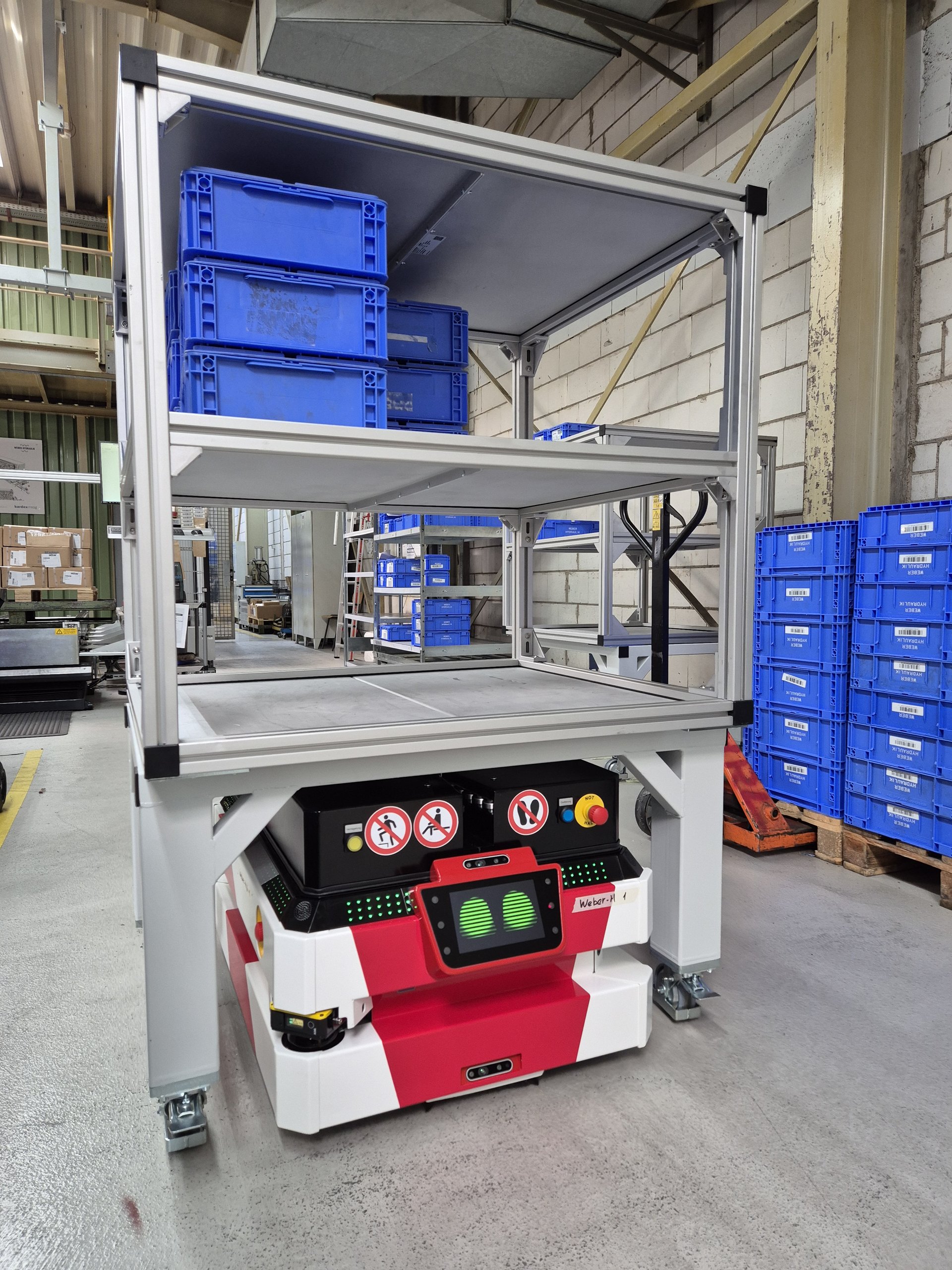
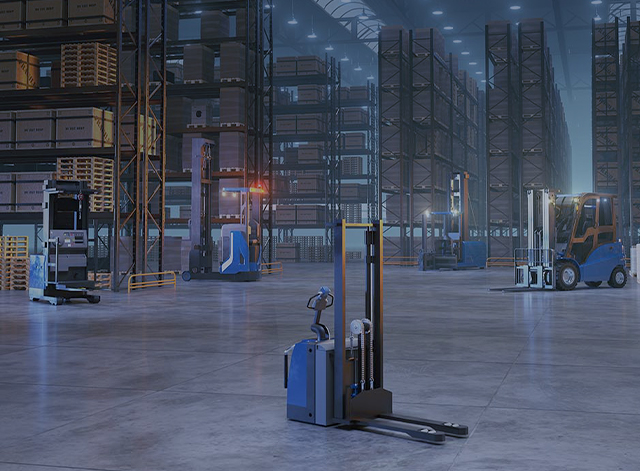
WEBER-HYDRAULIK GMBH has put autonomous transport robots into operation at its Güglingen site. The vehicles handle internal material transport between the high-bay warehouse, the small-parts warehouse, and the assembly areas. The goal of the project is to streamline logistics processes, improve supply reliability, and relieve employees of repetitive transport tasks.
With the deployment of autonomous transport robots, WEBER-HYDRAULIK is launching a pilot logistics project for the entire corporate group. The vehicles transport small-parts load carriers (KLT) autonomously along defined routes, yet respond flexibly to traffic conditions and coordinate their movements with one another. A central fleet management system coordinates operations and ensures a smooth flow of materials.
“You can think of the system as a combination of rail-guided transport and an autonomous household robot. The vehicles are networked with one another and coordinate their routes independently,” explains Chris Gulyasch from the Supply Chain Management department, who is overseeing the group-wide optimization of logistics processes.
Currently, the robots handle the transport of small and medium-sized load carriers as well as material movements between warehouse areas. Loading and unloading continue to be performed by employees at designated handoff points, such as assembly lines or Kanban racks.
A key component of the system is its integration into the existing Kanban process. Using RFID technology, material movements are automatically recorded and posted directly to the SAP system. This creates transparent material flows while simultaneously reducing manual postings and triggering replenishment deliveries as needed.
The conditions for introducing the autonomous transport solution were established in Güglingen over the past few years. In particular, the modernization of the high-bay and small-parts warehouse lays the foundation for implementation under real production conditions.
“Our goal is a stable and efficient supply—even during staffing shortages. At the same time, we are reducing manual transport routes and easing the workload on our employees in their day-to-day work,” said Gulyasch.
The current expansion includes connecting the high-bay and small-parts warehouses. Future steps will involve expanding to additional areas and rolling out the system to other locations.
With this project, WEBER-HYDRAULIK is consistently pursuing the further development of its production and logistics structures and laying the foundation for a scalable, automated material supply system within the corporate group.